Kyotsu

令和九年

共通

Kyotsu

The Common Test for University Admissions. Two January mornings when the country sits the same paper.

16–17 January 2027

Days
Hours
Minutes
Seconds

The two days

Saturday for words. Sunday for number, matter, and code.

Administered by the National Center for University Entrance Examinations. Nearly every national university reads these scores; hundreds of private faculties do too. You choose the subjects your universities ask for — then sit them, in lockstep, across the country.

土曜日

16 January

Saturday · 1月16日

  1. 9:3011:40

    地理歴史・公民

    Geography, History & Civics

    One subject 10:40–11:40 · two subjects 9:30–11:40

  2. 13:0014:30

    国語

    Japanese

    90 minutes · 200 points

  3. 15:2016:40

    外国語(筆記)

    Foreign language · reading

    English reading 80 minutes · 100 points

  4. 17:2018:20

    外国語(リスニング)

    Foreign language · listening

    English listening 60 minutes · 100 points
日曜日

17 January

Sunday · 1月17日

  1. 9:3011:40

    理科

    Science

    One subject 10:40–11:40 · two subjects 9:30–11:40

  2. 13:0014:10

    数学①

    Mathematics I

    数学I or 数学I・A · 70 minutes · 100 points

  3. 15:0016:10

    数学②

    Mathematics II

    数学II・B・C · 70 minutes · 100 points

  4. 17:0018:00

    情報

    Information

    情報I · 60 minutes · 100 points

Seven fields

Twenty-one papers. You sit the ones your faculty named.

Register subjects when you apply — usually late September. You cannot change the list on the morning of the test.

Choose up to two from five pairings. 公共・倫理 and 公共・政治・経済 cannot be sat together.

  • 地理総合・地理探究

    Maps, climate, cities, and the systems that hold a place together.

    60m · 100

  • 歴史総合・日本史探究

    Modern Japan read against the longer arc of the archipelago.

    60m · 100

  • 歴史総合・世界史探究

    How regions connect — trade, empire, ideas, rupture.

    60m · 100

  • 公共・倫理

    Thought, conscience, and the public the constitution imagines.

    60m · 100

  • 公共・政治・経済

    Institutions, markets, and the rules a society agrees to share.

    60m · 100

How it works

A shared stick. Then each faculty measures again.

  1. 01

    出願Apply

    You file online, usually from late September. The list of subjects is locked to what your universities require.

  2. 02

    本試験Sit

    Two days in mid-January. Same clock, same booklets, hundreds of halls. Listening uses a shared recording; 情報I closes Sunday.

  3. 03

    成績Scores

    Mark-sense sheets, scaled by the Center. Universities weight subjects their own way — some equally, some with a heavy 国語 or 数学.

  4. 04

    個別Secondaries

    National faculties add their own papers in February. Many private routes stop at Kyotsu. The common test is the floor, not the whole house.

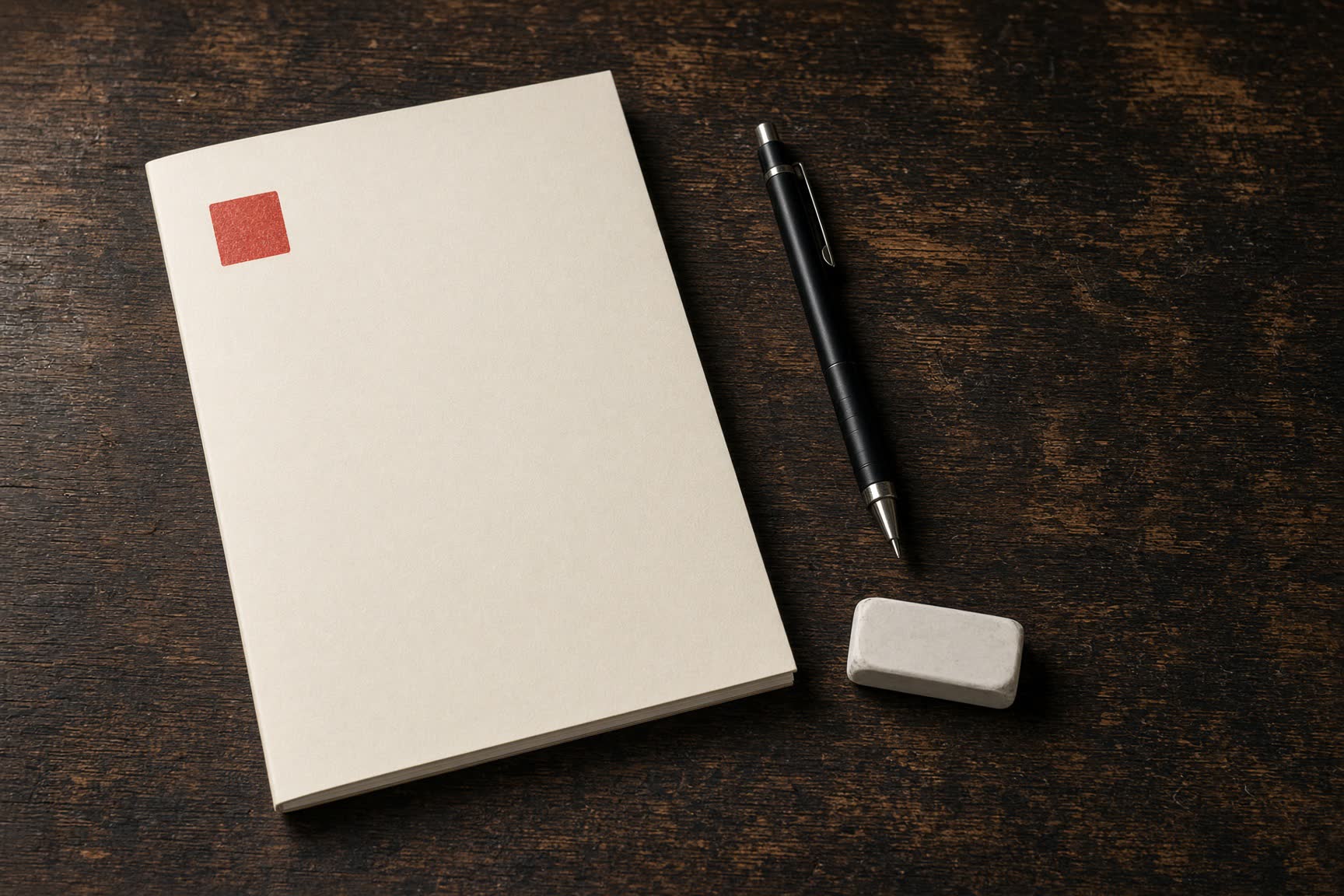
A closed exam booklet, pencil, and vermillion seal on a wooden desk.
The booklet · cream paper, one seal
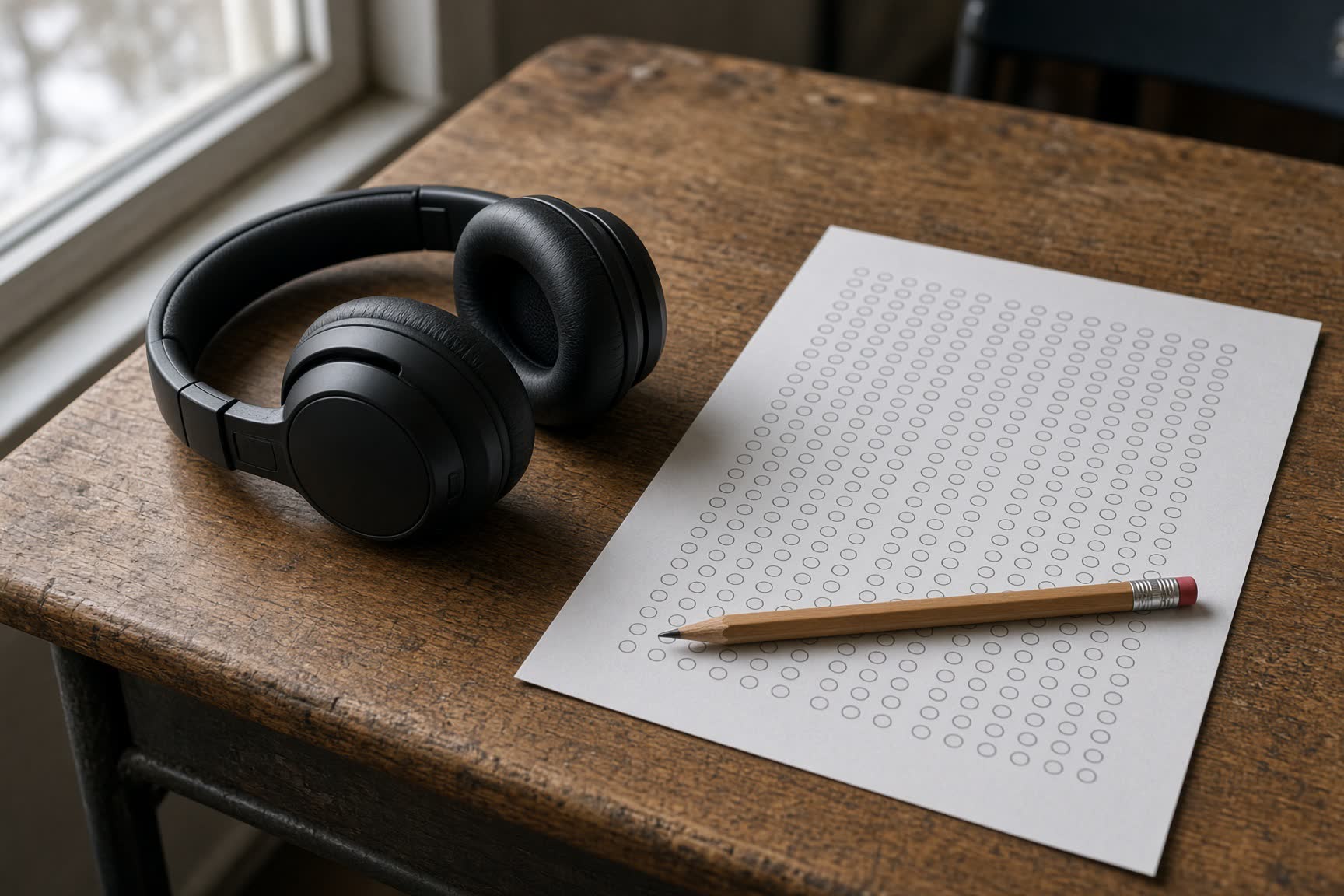
Exam headphones and a blank mark-sense sheet on a wooden desk.

A first mark

Sit one question.

英語リーディング · English reading

A standard is not a ceiling. It is a floor two strangers can stand on without first negotiating the ground. When a country asks every applicant the same questions on the same morning, it is not claiming that talent is uniform. It is claiming that the measuring stick should be.

What is the author’s main claim about a common examination?

Your desk

Name the papers you will sit.

Sign in to keep a subject list and a readiness mark. The hall is still months away. The list can start tonight.